How to Choose the Best Coffee Beans for Your Taste Preferences
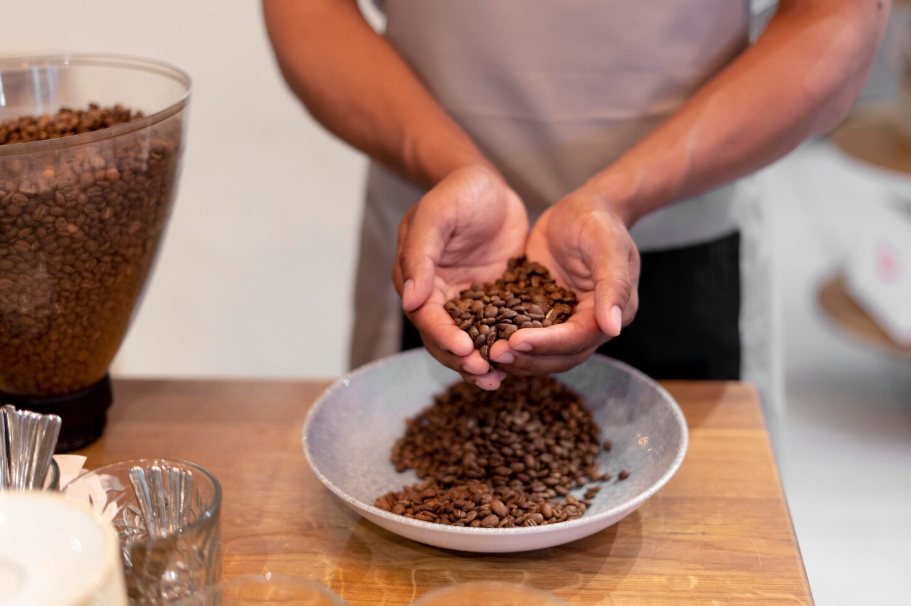
Choosing the right coffee beans is one of the easiest ways to improve your daily coffee experience. With so many options available, it can be difficult to know which beans will match your personal preferences. Understanding a few key factors can help you make better choices every time you buy coffee.
The truth is that everyone enjoys coffee differently. Some people prefer bright and fruity flavors, while others enjoy rich chocolate or nutty notes. The best coffee beans for my taste depend on what you like to drink and how you brew your coffee at home.
In this guide, you'll learn how coffee origin, roast level, bean variety, and brewing method all influence flavor. By the end, you'll have a better understanding of how to choose coffee beans that suit your taste.
Why Coffee Beans Taste Different
Every coffee bean goes through a long journey before it reaches your cup. From the region where it's grown to the way it's roasted, each step contributes to the final flavor.
Knowing what influences taste helps you understand why two coffees can taste completely different, even if they look similar.
Coffee Origin Shapes Flavor
The country and region where coffee is grown have a major impact on its flavor. Climate, soil quality, rainfall, and elevation all affect how the coffee cherries develop before harvest.
For example, coffees from Central and South America often have balanced flavors with chocolate, caramel, and nutty notes. African coffees are usually brighter, offering flavors like berries or citrus, while many Asian coffees produce a richer, earthier cup.
Exploring beans from different regions is one of the simplest ways to discover your favorite style of coffee.
Coffee Processing Influences Flavor
Once coffee cherries are harvested, they must be processed before roasting. This step plays an important role in shaping sweetness, acidity, and body.
Washed coffees usually taste clean and crisp because the fruit is removed before drying. Natural processed coffees often develop sweeter, fruitier flavors since the beans dry inside the coffee cherry.
Honey processed coffees combine qualities from both methods, creating a balanced cup with natural sweetness and good clarity.
Understanding Coffee Flavor Profiles
When buying coffee beans, you'll often notice tasting notes on the packaging. These notes describe the coffee's natural characteristics rather than added flavors.
Learning about coffee flavor profiles makes it much easier to choose coffee that matches your preferences instead of relying on guesswork.
Chocolate and Nutty Flavors
Chocolate and nutty coffees are among the most popular options because they produce a smooth, balanced cup. These flavors are commonly found in beans from Central and South America.
If you enjoy drinks with low acidity and a comforting finish, coffees with chocolate, caramel, almond, or hazelnut notes are an excellent place to start. They also pair well with most brewing methods.
Fruity and Floral Flavors
Some coffees naturally develop bright flavors that resemble berries, citrus fruits, apples, or tropical fruit. These coffees usually have a lighter body and a refreshing finish.
Floral coffees may include delicate notes similar to jasmine or honey. They are often enjoyed by specialty coffee drinkers who appreciate subtle aromas and layered flavors.
Earthy and Bold Flavors
Not every coffee is sweet or fruity. Some beans produce deep flavors with hints of cocoa, spice, cedar, or roasted nuts.
These coffees generally have a fuller body and lower acidity, making them a popular choice for people who enjoy bold, rich coffee throughout the day.
Light Roast vs Dark Roast
Many coffee drinkers compare light roast vs dark roast when choosing beans. While roast level changes the flavor of coffee, it doesn't determine whether a coffee is better.
Understanding the differences between roast levels helps you choose coffee that fits your personal taste.
Light Roast Coffee
Light roast coffee spends less time in the roaster, allowing more of the bean's natural flavors to remain. These coffees often highlight fruit, floral notes, and bright acidity.
If you enjoy tasting the unique characteristics of different coffee origins, light roast is worth exploring. It works especially well for pour-over and other manual brewing methods.
Medium Roast Coffee
Medium roast creates a balance between the bean's natural flavors and the sweetness developed during roasting. Many people consider it the most versatile roast level.
These coffees usually offer caramel, chocolate, and nutty flavors with moderate acidity. They perform well in drip coffee makers, French press, and espresso machines.
Dark Roast Coffee
Dark roast coffee develops deeper roasted flavors because it spends more time in the roasting process. The result is a fuller-bodied coffee with notes of dark chocolate, toasted nuts, and roasted caramel.
People who prefer bold coffee with lower acidity often enjoy dark roasts. They produce a rich, satisfying cup that works well with milk-based coffee drinks.
Why Arabica Coffee Beans Are So Popular
When exploring specialty coffee, you'll frequently come across Arabica coffee beans. They are the most widely grown coffee variety in the world and are valued for their smooth flavor, pleasant aroma, and balanced acidity.
Unlike some other coffee varieties, Arabica offers a wide range of tasting notes. Depending on where it's grown, it can produce everything from chocolate and caramel to berries and floral aromas.
What Makes Arabica Coffee Beans Different?
Arabica coffee plants are usually grown at higher elevations where cooler temperatures allow the cherries to mature more slowly. This slower growth helps develop more complex flavors.
The beans are also naturally sweeter and less bitter, making them a popular choice for specialty coffee. Their balanced flavor allows the unique characteristics of each growing region to stand out.
Should You Always Choose Arabica?
While Arabica is known for its quality, the best choice still depends on your personal taste. Roast level, freshness, and brewing method all have just as much influence on the final cup.
If you're new to specialty coffee, starting with freshly roasted Arabica beans is a great way to explore different coffee flavor profiles and discover what you enjoy most.
Choosing Coffee Beans for Different Brewing Methods
Even the best coffee beans can taste different depending on how they're brewed. Each brewing method highlights certain characteristics, so matching your beans to your preferred brewer can improve your overall coffee experience.
You don't need expensive equipment to enjoy great coffee. Choosing beans that suit your brewing style often makes a bigger difference than the brewer itself.
Coffee Beans for Pour Over
Pour-over brewing produces a clean and flavorful cup that highlights subtle tasting notes. It works particularly well with light and medium roasted coffees.
If you enjoy fruity, floral, or citrus flavors, this brewing method allows those delicate characteristics to shine through without being overshadowed.
Coffee Beans for French Press
French press creates a richer, fuller-bodied cup because the coffee grounds remain in contact with the water for a longer time.
Medium and dark roasted beans with chocolate, caramel, or nutty notes often perform well in a French press. The brewing method enhances body while producing a smooth finish.
Coffee Beans for Espresso
Espresso requires coffee beans that remain balanced under pressure. Medium and medium-dark roasts are often preferred because they combine sweetness, body, and pleasant acidity.
Beans with chocolate, caramel, or toasted nut notes usually create a well-rounded espresso that can also pair nicely with milk.
Coffee Beans for Drip Coffee
Drip coffee makers are one of the most common brewing methods and work well with a wide variety of beans.
Medium roast coffees are often an excellent everyday choice because they produce balanced flavor, moderate acidity, and consistent results across different machines.
How to Find the Best Coffee Beans for Your Taste
Finding the best coffee beans for my taste takes a little experimentation. Instead of searching for the "perfect" coffee, focus on discovering the flavors you enjoy most.
As your experience grows, you'll become more confident in choosing beans that match your preferences.
Start with Familiar Flavors
Think about the foods and drinks you already enjoy. If you like dark chocolate, roasted nuts, or caramel desserts, coffees with similar tasting notes may suit your palate.
If you prefer citrus fruits or berries, lighter roasted coffees with brighter acidity could be a better fit. Starting with familiar flavors makes exploring coffee less overwhelming.
Experiment with Different Origins
Trying coffees from different countries is one of the easiest ways to understand how origin affects flavor.
Tasting beans from Colombia, Ethiopia, Brazil, or Indonesia side by side allows you to notice differences in sweetness, acidity, body, and aroma. Over time, you'll naturally develop your own preferences.
Buy Freshly Roasted Coffee Beans
Freshness has a noticeable impact on flavor. Coffee gradually loses aroma after roasting, so buying freshly roasted beans helps preserve their natural characteristics.
Store your coffee in an airtight container away from heat, light, and moisture. Proper storage helps maintain freshness and ensures every cup tastes its best.
Common Mistakes When Buying Coffee Beans
Many people assume that the darkest roast is automatically the strongest or that the most expensive coffee is always the best. In reality, taste is highly personal, and price alone doesn't guarantee you'll enjoy a particular coffee.
Another common mistake is ignoring roast dates. Freshly roasted coffee generally offers better aroma and flavor than beans that have been sitting on a shelf for months.
It's also helpful to consider your brewing method before buying coffee. A bean that performs beautifully as a pour-over may taste completely different when prepared in a French press or espresso machine.
Final Thoughts
Choosing the right coffee beans doesn't have to be complicated. By understanding coffee origins, processing methods, roast levels, and coffee flavor profiles, you can make better decisions every time you buy coffee.
Remember that the best coffee beans for my taste may not be the same as someone else's. Exploring different coffees is part of the experience, and every new bag offers an opportunity to discover something you enjoy.
Whether you're comparing light roast vs dark roast or learning more about Arabica coffee beans, taking time to understand these basics will help you enjoy every cup a little more. At Longshot Coffee Company, appreciating the journey behind every bean is just as important as enjoying the coffee itself.
Frequently Asked Questions
1. How do I choose the best coffee beans for my taste?
Start by thinking about the flavors you naturally enjoy, such as chocolate, nuts, caramel, or fruit. Then try coffees from different origins and roast levels to discover which combinations suit your preferences.
2. Are Arabica coffee beans better than other varieties?
Arabica coffee beans are known for their smooth flavor, balanced acidity, and complex aroma. They are widely used in specialty coffee because they offer a broad range of natural flavor profiles.
3. What is the difference between light roast and dark roast?
When comparing light roast vs dark roast, light roasts preserve more of the bean's original flavors, while dark roasts develop deeper roasted notes with lower acidity and a fuller body.
4. Does the brewing method change the flavor of coffee beans?
Yes. Brewing methods influence body, aroma, and flavor clarity. The same coffee beans can produce different tasting experiences depending on whether they're brewed as espresso, pour-over, French press, or drip coffee.
5. How should coffee beans be stored?
Store coffee beans in an airtight container in a cool, dry place away from direct sunlight, moisture, and heat. Proper storage helps preserve freshness and maintain the coffee's natural flavor for longer.